Miniature Alaskan Klee Kai Dog Breed: Info, Pictures, Care & More

In this article
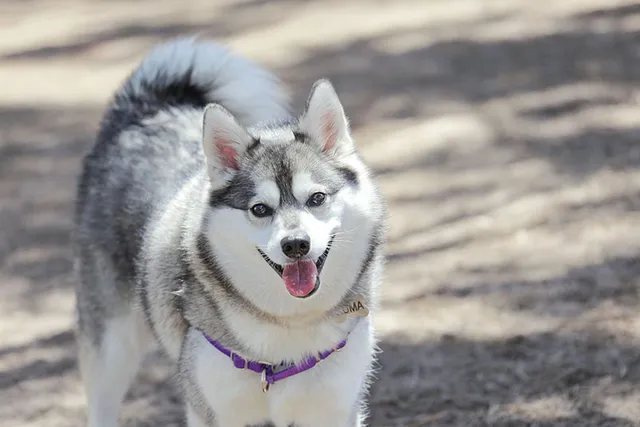
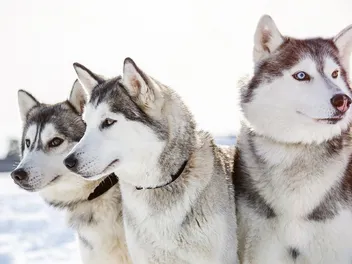
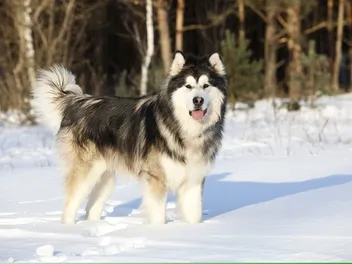
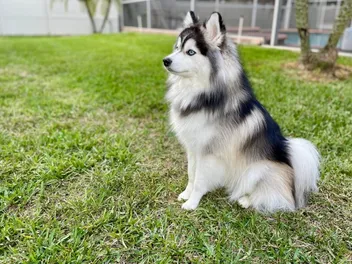
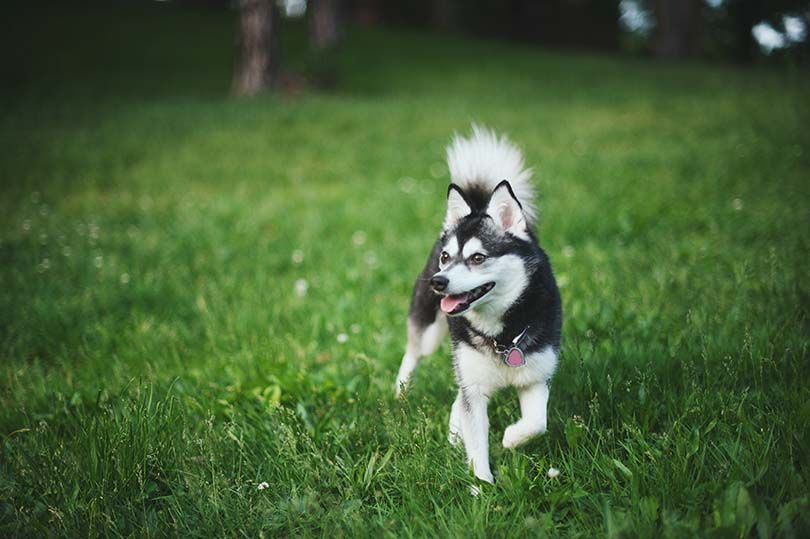
The Miniature Alaskan Klee Kai looks like a miniature version of a Siberian Husky. The name “Klee Kai” is an Inuit term for “small dog.” While this breed has a physical resemblance to a Husky, they do have some important differences.
Breed Overview
Height:
Weight:
Lifespan:
Colors:
Suitable for:
Temperament:
Their temperament is more suited to life as a companion dog, in opposition to the strong work ethic held by Huskies. The Miniature Alaskan Klee Kai is a high-energy dog who is prone to sharing his emotions. This breed is loyal, affectionate, and sweet with the right amount of care, exercise, and attention.
Miniature Alaskan Klee Kai Characteristics

Miniature Alaskan Klee Kai Puppies
Miniature Alaskan Klee Kai’s litters are usually between one and five puppies, and registered breeders are hard to find. If you are looking for one of these puppies, you may have to wait a while. If you prefer to adopt from a rescue, there is a national rescue network for the breed called the Alaskan Klee Kai National Rescue.
There are three different size classifications for the Alaskan Klee Kai. While this article focuses on the miniature size, this dog is also bred in toy and standard sizes. Whichever size you decide to bring home, you can expect to have a low-maintenance dog that makes a wonderful pet.
Temperament & Intelligence of the Miniature Alaskan Klee Kai 🧠
Are These Dogs Good for Families? 👪
Whether this dog breed is a good family dog is entirely dependent on their owners and how they are socialized as puppies. For owners who do a good job of desensitizing their pup to touch, cuddling, and handling, and socialize them regularly with other people and animals, they will do just fine as a family dog.
Miniature Alaskan Klee Kais are prone to being skittish and wary around strangers, so owners who aren’t cuddly with their pups will end up with more independent dogs.
This dog breed is very loyal and will guard your house and family if given the opportunity.
Does This Breed Get Along with Other Pets? 🐶 😽
Miniature Alaskan Klee Kai dogs get along well with other dogs and pets, but it is important to be mindful about how they are introduced to each other. They have an anxious nature when meeting new animals or people, so be sure to make all introductions slowly in a safe environment.
Things to Know When Owning a Miniature Alaskan Klee Kai:
Food & Diet Requirements 🦴
The Miniature Alaskan Klee Kai requires about one cup of high-quality kibble per day. This amount may vary according to your dog's individual size; larger dogs will need slightly larger meals, and males often require slightly more energy than females (except pregnancy or nursing).
Your dog should be fed 30 to 40 calories per pound of body weight. For example, a 20-pound dog needs about 600 calories per day, usually split into two meals. This is a good rule of thumb to use when figuring how much to feed your dog, as different brands of kibble have different caloric values.
As excellent problem solvers, Alaskan Klee Kais have trouble focusing around mealtimes. Using consistent meal times each day can help them know what to expect.
This dog breed is prone to obesity, so it’s important not to overfeed them.
Exercise 🐕
While the Miniature Alaskan Klee Kai is small, they are big balls of energy! This dog will need at least 45 minutes of high-intensity activity each day, along with training and playtime to keep its brain busy.
This breed doesn’t do well with being cooped up in the house, so ideally, walks and playtime will be spread throughout the day. The Alaskan Klee Kai can clock up to 10 miles per week if you are an avid hiker or walker. They also love to run or bike with their owners. It is best not to bring one of these dogs into your life if you can’t keep up with their exercise requirements.
Much like Huskies, Miniature Alaskan Klee Kais are known for being runners and escape artists. Even the best-trained dogs have been known to disappear when off-leash. For this reason, off-leash activity should be restricted to fenced areas like your yard or a dog park.
If you’re into dog agility, this dog will make a great competition partner. This breed has won several American Kennel Club agility championships, and they love the sport, as it is a mental and physical challenge.
Training 🎾
As a highly intelligent dog, the Miniature Alaskan Klee Kai has a natural love of learning but can be stubborn. Obedience and house training can be very tough, and beginner dog owners may find them frustrating. Training this dog will require patience and consistency.
Using the Klee Kai's natural curiosity can work to your advantage with training, particularly when they are young. Clicker training or positive reinforcement with training will encourage your dog to learn through play, and they will be more willing participants.
It’s okay to use treats for training, as Klee Kais are highly food motivated, but make sure to factor the caloric value of these treats into your diet. On training days, they may need to be fed slightly smaller meals to avoid overeating.
Grooming ✂️
Miniature Alaskan Klee Kais are double-coated dogs who will require regular grooming to keep their coat healthy. Instead of shedding year-round, they “blow out” their coat twice per year. During this time, they will shed heavily and require daily brushing. Outside of these shedding periods, brushing once a week will suffice.
These dogs are known to regularly groom and clean themselves, so they won’t need frequent baths.
Despite their heavy coats, it’s not recommended to clip double-coated dogs as it interferes with their natural temperature regulation.
Health and Conditions 🏥
The Miniature Alaskan Klee Kai was bred selectively by a single breeder, so there aren’t a lot of genetic health conditions found in the breed.
Male vs. Female
Male Miniature Alaskan Klee Kais are bigger than females, outgrowing them by about 4 inches. Other than their size, there are no significant personality differences between the sexes.
3 Little-Known Facts About the Miniature Alaskan Klee Kai
1. They talk—a lot.
Much like their Siberian Husky relatives, the Alaskan Klee Kai is very vocal. They don’t bark; they howl. When they are happy, they can be heard letting out a “woo woo” noise. They are also very vocal in letting their owners know when they aren’t happy.
2. It’s a new dog breed.
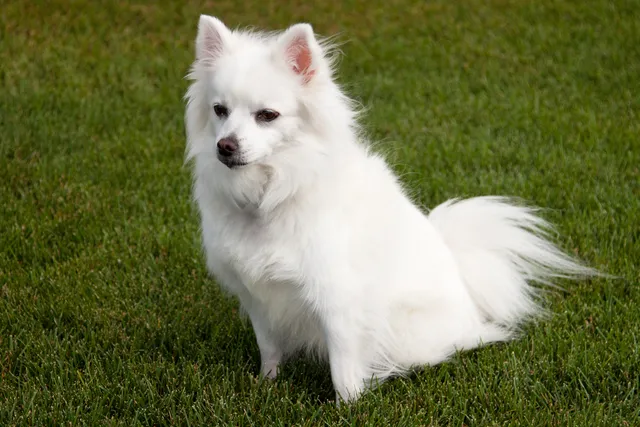
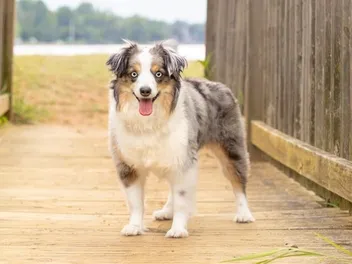
Alaskan Klee Kais was not bred as a distinct dog breed until the 1970s. The dog was first bred in Alaska by Linda Spurlin. She wanted a dog that looked like the Siberian Husky but without their strong work ethic and high exercise requirements. The breed was developed through breeding Siberian and Alaskan Huskies with the American Eskimo Dog.
3. A single litter can have all three sizes of Alaskan Klee Kai dogs.
As mentioned above, the Alaskan Klee Kai has three sizes: toy (up to 13 inches), miniature (13 to 15 inches), and standard (15 to 17 inches). It’s unknown why, but it’s possible to get all three sizes within a single litter, which is unique to this dog breed.

Final Thoughts
Miniature Alaskan Klee Kais are an exceedingly rare dog breed that was first developed in the 1970s. They can make wonderful additions to active families and get along well with other pets, provided they are adequately socialized as puppies. Other than socialization and exercise, they are relatively low maintenance. They don’t have any specific dietary needs, require moderate training, and only need once weekly grooming. The biggest problem you are likely to encounter with a Miniature Alaskan Klee Kai is finding one.
Featured Image Credit: Kelsie Taylor, Shutterstock
Expert dog care, straight to your inbox
News, insights, expert advice, and everything dog.

No spam — unsubscribe anytime.
By signing up, you agree to our Terms & Conditions and Privacy & Cookies Policy.
How useful was this post?
Click a star to rate. You can leave written feedback afterwards. (We read all feedback.)
Nicole has loved animals of all sizes her whole life so it's no wonder she has dedicated her career to helping them through what she loves best: learning, writing, and sharing knowledge with others. She’s the proud mom of two dogs, a cat, and a human. With a degree in Education and 15+ years of writing experience, Nicole wants to help pet parents and pets around the planet to live happy, safe, and healthy lives.